
Major in Earth & Planetary Sciences
We rely on and draw upon the core sciences of chemistry, physics, biology, and mathematics. In so doing, we explore climate change, meteorology, and oceanography; environmental science, geochemistry, and natural resources including global energy supply; paleontology, evolutionary theory, and the history of life on Earth; plate tectonics, earthquakes and volcanoes; and the past, present and future of other planetary bodies in our solar system.
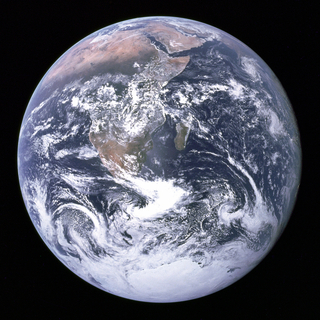
Climate Science
Sustainable human existence is inextricably linked to global interactions between the solid Earth, its hydrosphere, its atmosphere, and its biota.
Graduate Program
We explore the interaction of chemistry, physics, biology, mathematics and geology in the ongoing effort to explore Earth’s interior, atmosphere and oceans; to understand the environment in which we live, the causes for global climate change, and the history of life and climate on Earth; and to decipher the formation, history, and current state of other planets, satellites, and meteorites.
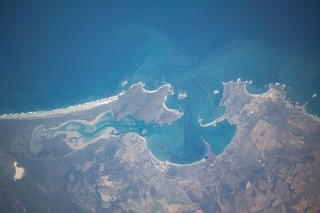
Energy Studies Interdisciplinary Certificate
Energy Studies is an Interdisciplinary Certificate program in Yale College. The curriculum is designed to provide enrolled undergraduates with the knowledge and skills needed for advanced studies, leadership, and success in energy-related fields.
-
38
2024 Energy Scholars Certificates
-
18
different majors or departments in the University, our most diverse cohort, subject-wise, to date
-
75
students from the Class of 2025 have enrolled in the Energy Studies Interdisciplinary Certificate.

-
Five Things to Know About… Hurricane season
Yale climate scientist Alexey Fedorov explains the reasons why experts are predicting a more active Atlantic hurricane season.

